Everyone in Hollywood talks about the so-called vampire lift, which is also known as autologous blood therapy, plasmalifitig or PRP therapy. Basically, this procedure has existed for centuries in naturopathy and is therefore as old as medicine itself. Blood is taken from the patient, specially prepared and later re-injected into the desired part of the body. The rejuvenating effect occurs due to the growth factors and cell-renewing components contained in the blood. These ensure regeneration of the skin and also stimulate collagen production. Because of this property, PRP therapy is used in many areas of medicine, such as smoothing wrinkles, reducing scars and stimulating hair growth or as a support for wound healing.
What can be treated with autohemotherapy?
Autologous blood therapy stimulates the production of collagen and hyaluronic acid in the body, which improves the structure of the skin. Experts use this effect to naturally tighten and rejuvenate the face, especially the mouth and eye area, as well as the neck, décolleté or back of the hands. The skin looks significantly fresher and plumper, disturbing wrinkles disappear.
But vampire lifting is also used outside of aesthetic medicine. Since PRP therapy promotes cell regeneration, PRP injections are also used for arthrosis, in dentistry and ophthalmology, jaw surgery and diseases of the musculoskeletal system. The healing process is stimulated and accelerated by the blood plasma. Scars such as acne scars, stretch marks or surgical scars can also be reduced with the autologous blood procedure. In addition, the extracted blood plasma stimulates the hair root and consequently hair growth, which is why PRP therapy is also recommended for conditional or circular hair loss.
For whom is the PRP treatment suitable?
The vampire lift is particularly suitable for eliminating the signs of skin aging and improving your skin appearance naturally without surgical intervention. As only the body’s own substances are used in this procedure, it can be used on a large number of people, as incompatibilities as well as the transmission of diseases can basically be ruled out. For skin rejuvenation, PRP treatment can be performed on almost all areas of the body. Especially in the face it can help impure, slightly wrinkled, sagging and volume-depleted skin to a new freshness.
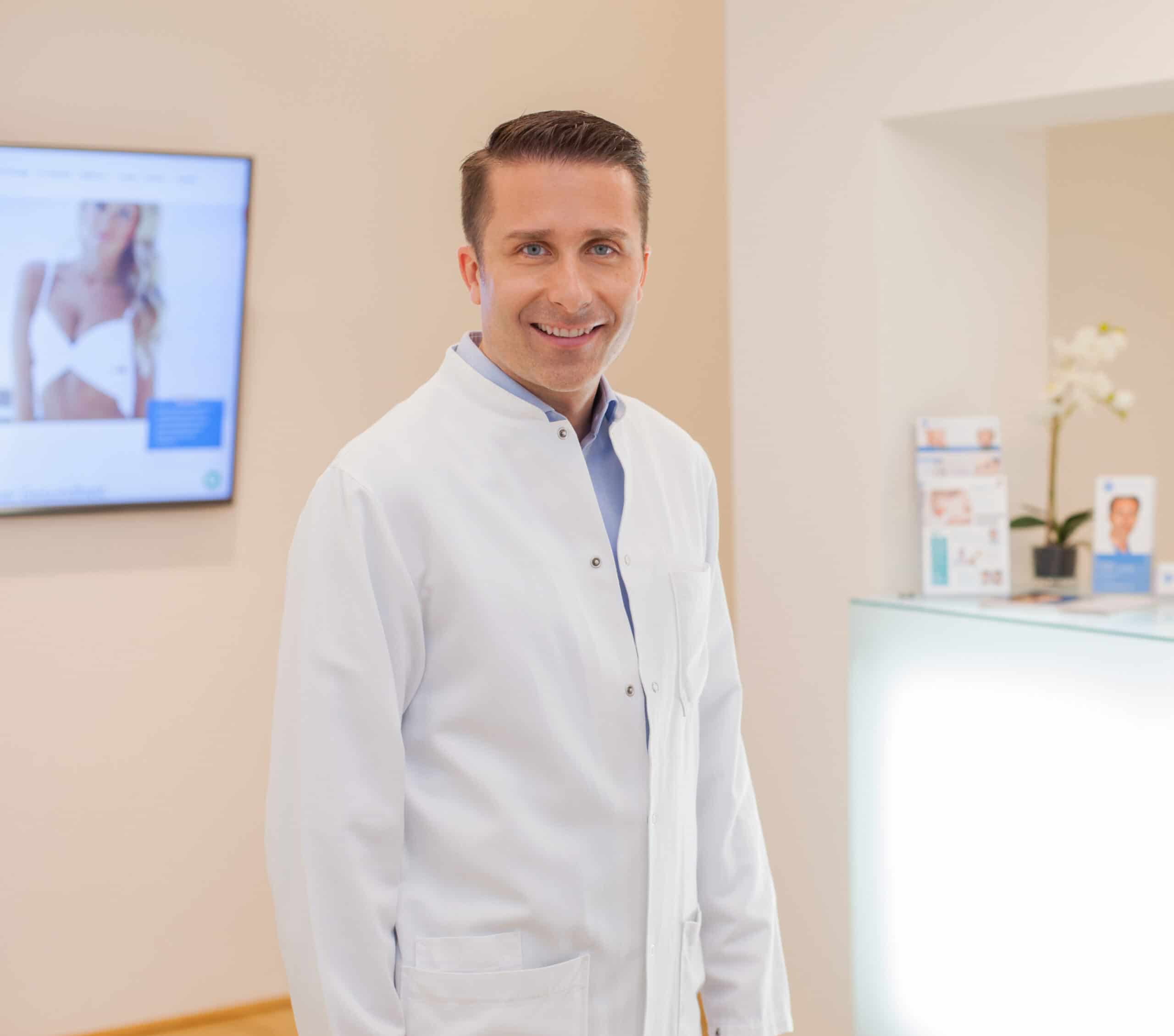
The procedure is not suitable for deep wrinkles and skin irregularities and for certain existing diseases such as cancer, autoimmune or liver diseases or psoriasis of the face and neurodermatitis as well as circulatory or blood clotting disorders. If you need to take certain medications such as corticosteroids or non-steroidal anti-inflammatory drugs, or suffer from a severe form of acne or an acute skin infection, autologous blood therapy is also generally not advised. Dr. Matiasek will clarify whether autohemotherapy is suitable for your individual case in a consultation with you.
What do I have to consider before the PRP therapy?
Before the therapy begins, a comprehensive consultation takes place in order to be able to offer you the best possible treatment. Dr. Matiasek will inform you about possible risks and complications, explain the course of treatment and determine the initial situation. Based on this, he will develop an individual treatment plan together with you. It is essential that you inform Dr. Matiasek about any medication you may need to take, because you must refrain from taking blood-thinning medication such as aspirin, Marcoumar, ASS or Thrombo at least three days before the autologous blood therapy. Paracetamol, on the other hand, is still allowed. It is best to come to the actual treatment without make-up to prevent falsification of the results. When undergoing treatment for hair loss, please do not forget to wash your hair and avoid styling products. If you have any further questions about the autohemotherapy and its procedure, please do not hesitate to contact Dr. Matiasek and his team.

How does the autohemotherapy work?
Since this minimally invasive procedure is an outpatient procedure lasting about one hour, it usually does not require any form of anesthesia. Only for the injection of the prepared plasma fluid, a special anesthetic cream can be applied to the skin areas to be treated, if desired.
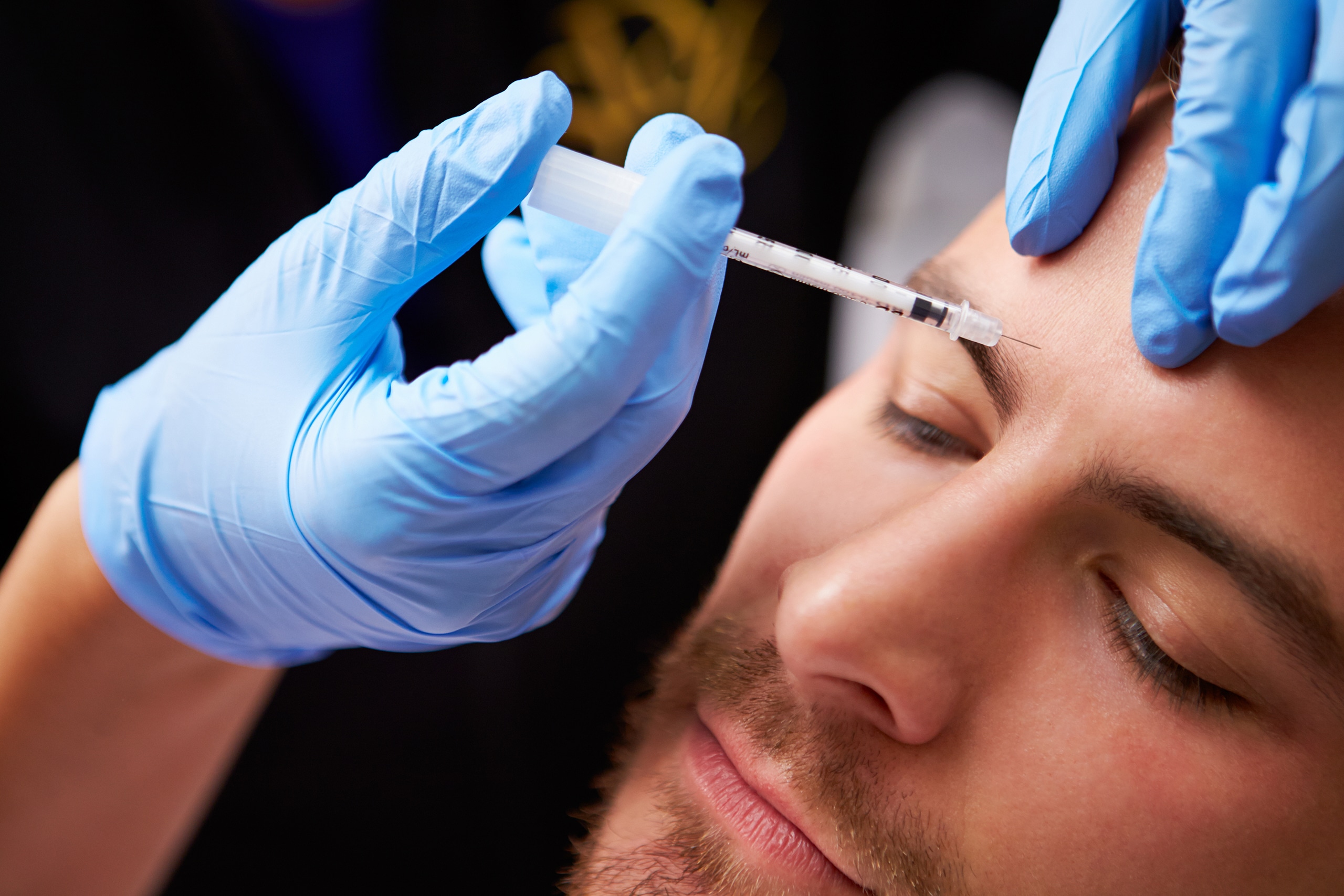
First, the required blood, about 10 to 100 milliliters, is taken from you and prepared for further treatment in a centrifuge, a special device that separates the plasma from the rest of the blood. The plasma and platelets are then enriched with substances such as amino acids, vitamins and hyaluronic acid. Only then can the patient’s own blood be injected under the skin at the selected part of the body. For this purpose, Dr. Matiasek uses a fine needle with special attachments to distribute the plasma fluid evenly and optimally. Depending on the condition of your skin and the reason for the treatment, about 30 to 50 injections are made. If some of the processed blood remains, it can be applied to the skin mixed with a high-dose vitamin solution.
The PRP treatment of the scalp is identical in the first two steps as with the other body regions: The scalp is cleansed and the treated autologous blood is injected underneath. The growth factors contained in the platelets have a regenerative effect on the hair follicles. Active follicles develop more and inactive ones are put into a growth phase, which stimulates hair growth and additionally thickens the hair. This also strengthens the hair roots, which counteracts hair loss. However, only existing hair can be thickened. Where there is no more hair, no new hair will grow. In this case, Dr. Matiasek can advise you on hair transplantation and hair thickening.
What are the complications and risks of the PRP treatment?
Basically, serious side effects as well as allergic reactions can be ruled out, as only the body’s own substances are used in the autologous blood therapy. Immediately after the treatment, the skin on the affected parts of the body is usually somewhat reddened or appears somewhat dry. Some minor bleeding, swelling or bruising may also occur. These mild side effects usually disappear within the next few days. However, because the body degrades the injected substances over time and the rejuvenating effect is lost, the therapy must be repeated at regular intervals.
What do I have to consider after the autohemotherapy?
In order to keep side effects such as swelling or bruising to a minimum, you should cool the treated areas of your body well for the next few days. In addition, you should avoid steam baths, saunas and sports for about two to three days. You should not do any heavy physical work on the day of the treatment. Avoid the blazing sun for a fortnight and make sure you wear adequate sun protection. If you have been treated for hair growth, do not wash your hair until the next day of treatment. Normally, you will be socially fit again after two to three days and can go about your normal daily life.
When will the results of the autohemotherapy be visible?
You can see the first visible results after just one week. The complete result is seen after about four weeks. To achieve a lasting rejuvenating effect, three to five sessions at intervals of four weeks are recommended, depending on the type of therapy and body part. The effect of the autologous blood therapy normally lasts for about 18 months and should be refreshed afterwards. PRP treatment can be repeated as often as desired. Repeated sessions stimulate the skin to produce more collagen. This makes the skin look visibly firmer and plumper. The result of hair growth therapy is also visible within a few weeks. However, to stop hair loss permanently, about three sessions at intervals of one month are recommended.
Dr. Matiasek also offers autohemotherapy in combination with other aesthetic treatments such as hyaluronic acid injections or thread lifting. Detailed information is available in a consultation in his practice.
Dr. Matiasek’s goal is always to perform the best possible treatment to achieve your personal and natural ideal of beauty. For this purpose, his professional competence and his fine feeling for uniqueness are at your disposal. Dr. Matiasek is looking forward to get to know you in a joint consultation and creating an individual treatment plan for you!