

Last updated:
Table of contents
- Häufige Fragen zu Fettabsaugung Wien
- What is liposuction?
- What are the reasons in favour of liposuction?
- Who is suitable for liposuction?
- What methods are available for liposuction?
- Tumescent technique
- Vibration technology (power-assisted liposuction, PAL)
- BodyTite, BodyTite turbo and Quantum
- Combination of PAL and RF assistance
- Where can liposuction be performed?
- What should you look out for before undergoing liposuction?
- How does liposuction work?
- What to look out for after liposuction?
- How long is the downtime after liposuction?
- Are scars possible after liposuction?
- How painful is liposuction?
- What anaesthetic is used for liposuction?
- When can the results of liposuction be seen?
- When is the right time for liposuction?
- What are the advantages of liposuction?
- Can the body's own fatty tissue be used in other areas?
- How long does liposuction last?
- How many kilos do you lose with liposuction?
- What are the risks associated with liposuction?
- Which doctors can perform liposuction?
- At what age is liposuction possible?
- Is liposuction always possible?
- What are the alternatives to liposuction?
- How much does liposuction cost?
- Do health insurance companies in Austria cover the costs of liposuction?
Häufige Fragen zu Fettabsaugung Wien
What is liposuction?
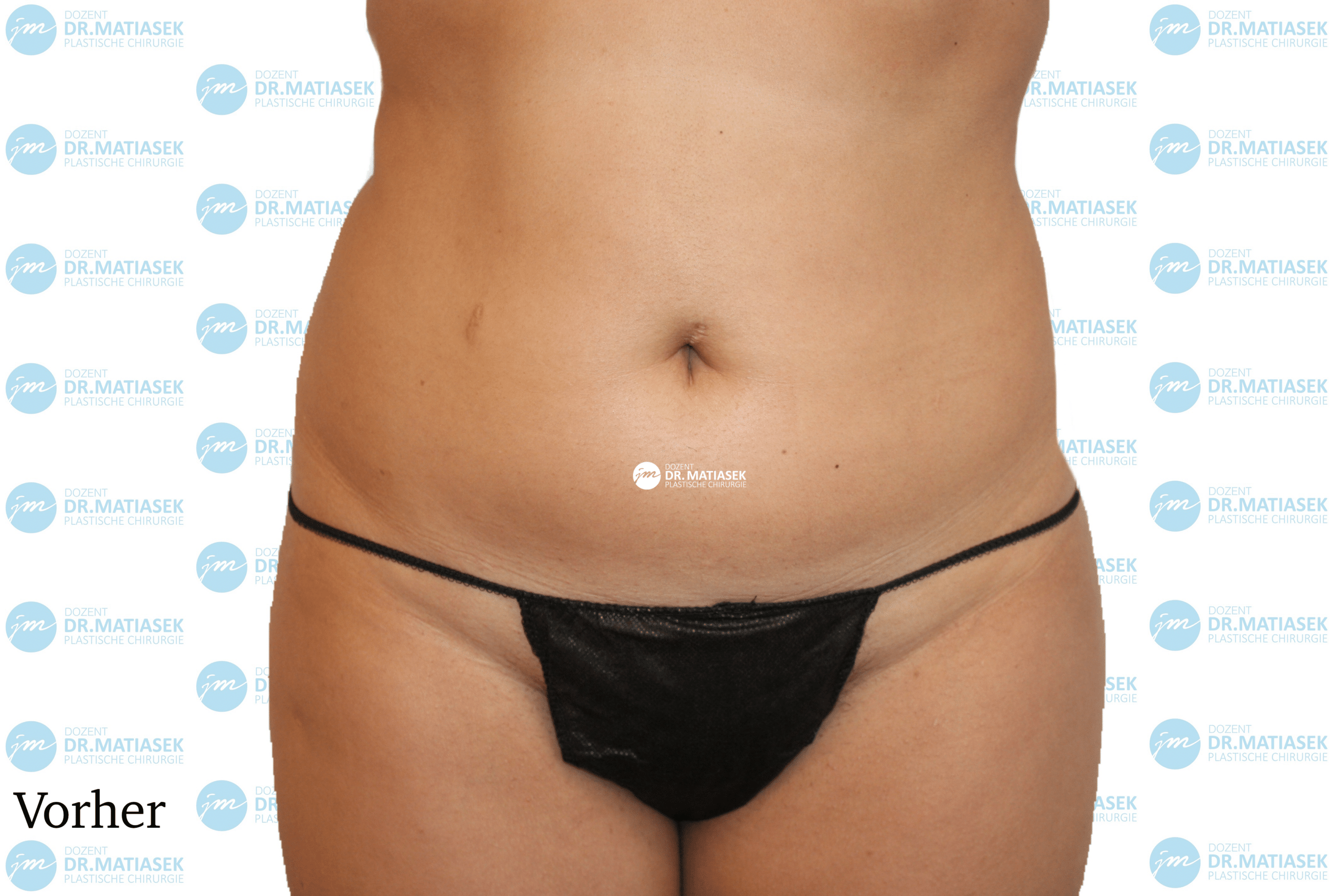
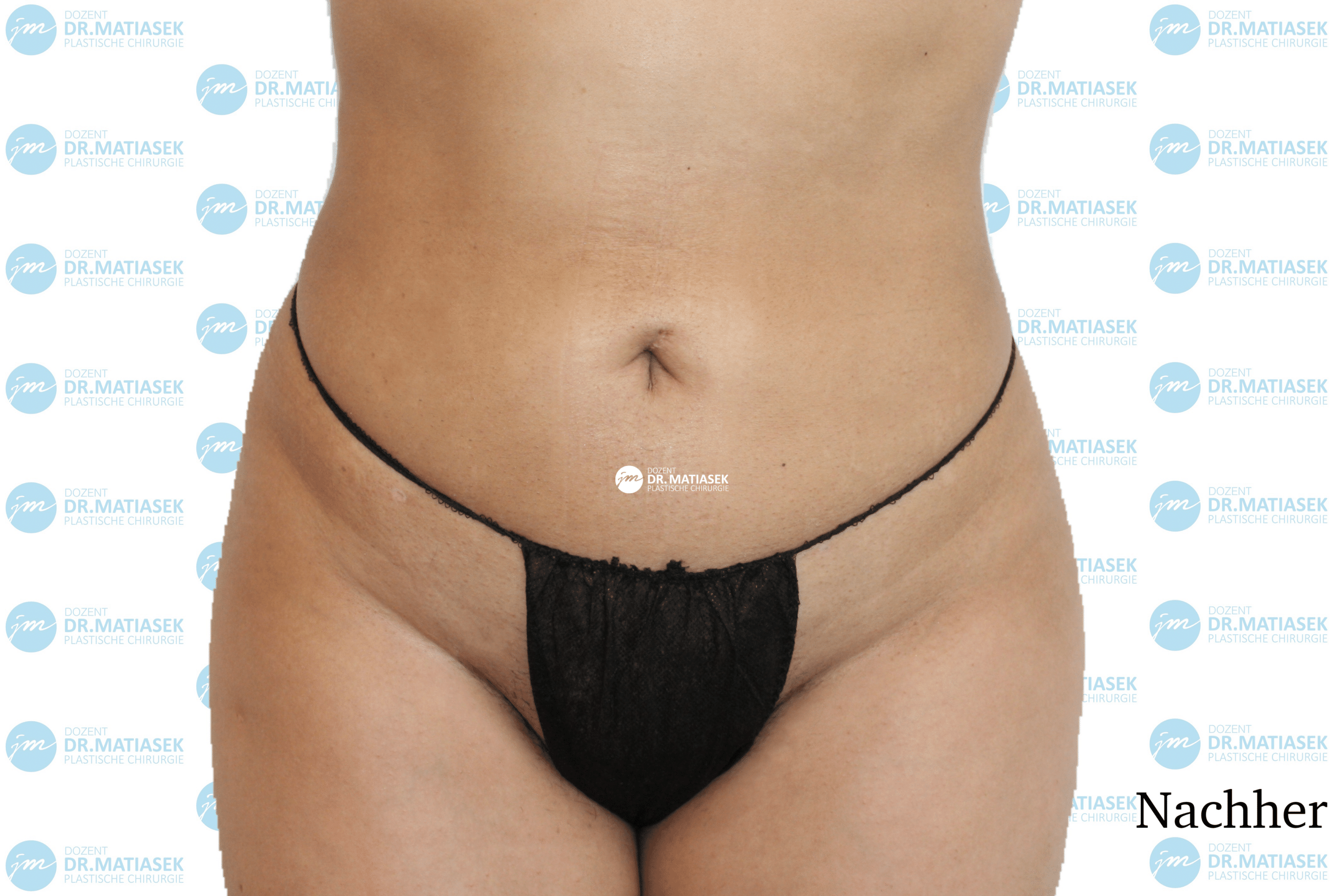
Anyone suffering from unsightly fat deposits can have these blemishes corrected with liposuction. By suctioning the excess fat from the tissue, this surgical procedure reduces the excess fat deposits and provides newly modelled body contours in the desired areas. The surgical procedure can be performed under local anaesthetic and sedation or under twilight sleep and can also be performed on an outpatient basis during a stay. Before patients decide to undergo liposuction, we recommend a personal consultation with Dr Matiasek.
What are the reasons in favour of liposuction?
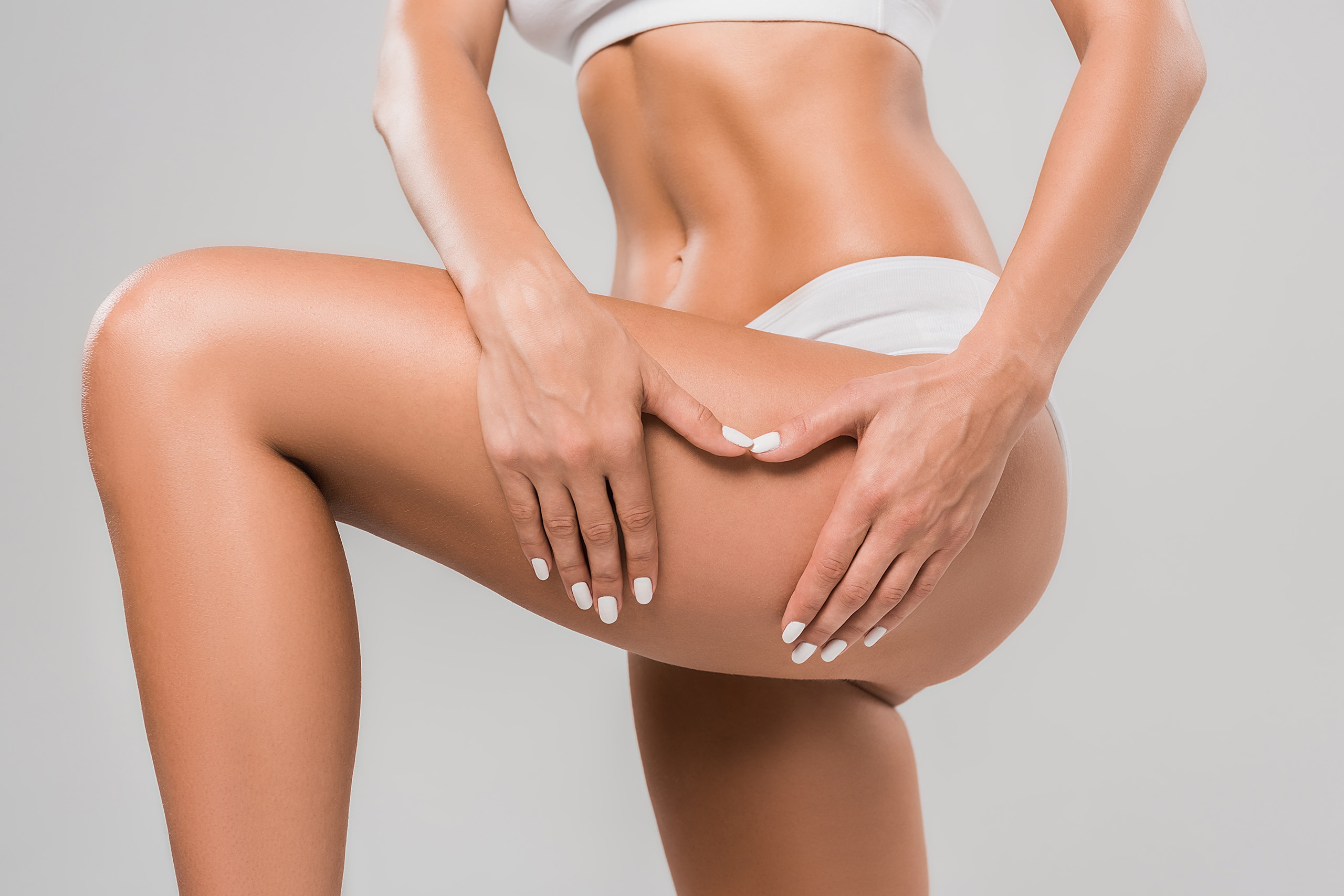
In many cases, liposuction can be an effective method of removing unwanted fat deposits from various parts of the body - especially if the fat deposits persist in the problem areas despite exercise and a healthy diet. Women often suffer from excess fat deposits on the thighs and hips, known as „saddlebags“. Genetic predispositions or certain life situations - such as pregnancy or the menopause - often lead to more fat deposits, which can be easily removed with liposuction.
Liposuction is also a sensible measure for the pathological fat distribution disorder lipoedema, especially in the early stages, as it allows the pathological fat to be permanently removed. Men, on the other hand, often have to contend with stubborn fat deposits on the stomach and hips, the so-called lifebuoy. If the body fat in these areas is particularly stubborn, the subcutaneous fatty tissue is responsible for these problems. This cannot be influenced either by increasing calorie consumption through exercise or by reducing calorie intake through dieting. In this case, liposuction of the subcutaneous fat is a successful way of permanently correcting the body's appearance.
Gynaecomastia, an enlarged male breast, is another reason for liposuction in male patients. However, liposuction is not a means of losing weight or excess weight and is not a substitute for exercise or dieting. The aim is to remove body fat from unwanted areas. This results in a gentle modelling of the body and a lasting body correction to permanently improve self-esteem.
Who is suitable for liposuction?
Patients should be of legal age and in good health. The basis and prerequisite is always a consultation with Dr Matiasek. The condition of the skin, connective tissue and fatty tissue is particularly important for the success of the treatment. Only relatively firm and elastic skin can reattach itself to the body after the procedure. If excess skin remains, further surgery is necessary to remove it afterwards.
The decisive factor for successful liposuction is therefore not age, but the degree of elasticity of the skin and its ability to shrink again. Patients should also be in good general health and have a stable weight. Women must not be pregnant or breastfeeding. If all these requirements are met, liposuction is a low-risk procedure without a great deal of pain.
What methods are available for liposuction?
Tumescent technique
The method most commonly used for liposuction is the tumescent technique. Dr Matiasek injects a mixture of sterile water, saline solution and anaesthetic under the skin at the desired location using fine cannulas. This liquid ensures that the fat cells detach from the tissue. Dr Matiasek makes small incisions in inconspicuous areas such as a skin fold. As soon as the anaesthetic has taken effect and the fat cells have detached with the fluid, Dr Matiasek carefully sucks them out. He then sutures the small incisions with fine stitches. As a rule, the skin shrinks due to internal scarring after the procedure and adapts to the new shape.
Vibration technology (power-assisted liposuction, PAL)
With the vibration technique, also known as power-assisted liposuction (PAL), Dr Matiasek injects a mixture of physiological saline solution and local anaesthetic into the areas to be treated. This loosens the tissue so that small vibrating cannulas can then be inserted, which move up to 80 times per second. This gentle method is suitable for treatments on the entire body. The vibrations enable more efficient suction, which also stimulates collagen production.
BodyTite, BodyTite turbo and Quantum
Precision-controlled thermal energy (radio frequency) is used here. An electrode generates radio waves, which are guided under the skin via a fine cannula. The radio waves liquefy the fat cells, making them easy to suction out. They also stimulate the formation of new collagen. The further development (BodyTite turbo, Quantum) can achieve an even more efficient tightening effect. An external electrode monitors the temperature to prevent overheating.
Combination of PAL and RF assistance
In many cases, the combination of power-assisted liposuction (PAL) and the radiofrequency technology described above is recommended.
Where can liposuction be performed?
Basically on all areas with fat deposits: thighs, buttocks, stomach and waist, in the neck and Chin area, back, upper arms, knees, calves and ankles as well as the male chest. Additional tightening may be required on the inner thighs, upper arms and breasts. Before any liposuction, it is necessary to check the elasticity of the skin.
What should you look out for before undergoing liposuction?
A consultation with Dr Matiasek is absolutely essential. The reasons, wishes, methods, risks and a personalised treatment plan will be discussed. Alcohol and nicotine should be minimised two weeks before the operation. After consultation, painkillers containing acetylsalicylic acid should not be taken. Regularly taken medication, allergies and previous illnesses must be reported. Shortly before the operation, oily shower and bath products and body creams should be avoided and metal jewellery should be removed.
The procedure can be performed on an outpatient basis; in some cases an overnight stay is recommended. Whether local anaesthesia is sufficient or a general anaesthetic is required will be decided during the consultation.
How does liposuction work?
The specific method is determined in advance. After a health check and consultation, Dr Matiasek marks the areas to be treated, disinfects and covers them. Under local or general anaesthetic, the tumescent solution is infiltrated and the excess fat cells are suctioned out through small incisions. If necessary, an additional RF-assisted tightening is performed. The incisions are then sutured. The duration of the operation depends on the extent and technique. Liposuction sculpts the body, but is not a weight loss procedure.
What to look out for after liposuction?
Immediately after the procedure, patients are given a compression garment for 4-6 weeks (day and night). It prevents the accumulation of fluids and supports shaping. Swelling, bruising and slight pain are possible and usually subside within 6-8 weeks. Light exercise reduces the risk of thrombosis. Lymphatic drainage by means of Endermology (LPG) can support wound healing from about a week. Cold showers promote blood circulation; full baths should be avoided at first.
Control appointments and follow-up examinations take place between one and six weeks, depending on the recommendation. Physical and especially sporting activities should be avoided for up to six weeks. Smoking cessation and reduced alcohol consumption are recommended during the wound healing phase.
How long is the downtime after liposuction?
The downtime depends on the occupation and the areas treated. In most cases, it is possible to return to everyday life after 1-3 days; light occupational activities after around two weeks. In the case of minor procedures, patients are sometimes able to return to work the next day or after a week at the latest.
Are scars possible after liposuction?
The small punctures for the cannulas leave small scars that usually heal very well and are barely recognisable later on. Where possible, incisions are made in natural skin folds.
How painful is liposuction?
The treatment is usually performed on an outpatient basis under local anaesthetic and is therefore generally well tolerated. Bruising, swelling and sore muscles may occur immediately after the procedure; pain-relieving medication is prescribed if necessary.
What anaesthetic is used for liposuction?
In most cases in twilight sleep and under local anaesthetic; on request or for larger procedures under general anaesthetic. The optimal option is determined on an individual basis.
When can the results of liposuction be seen?
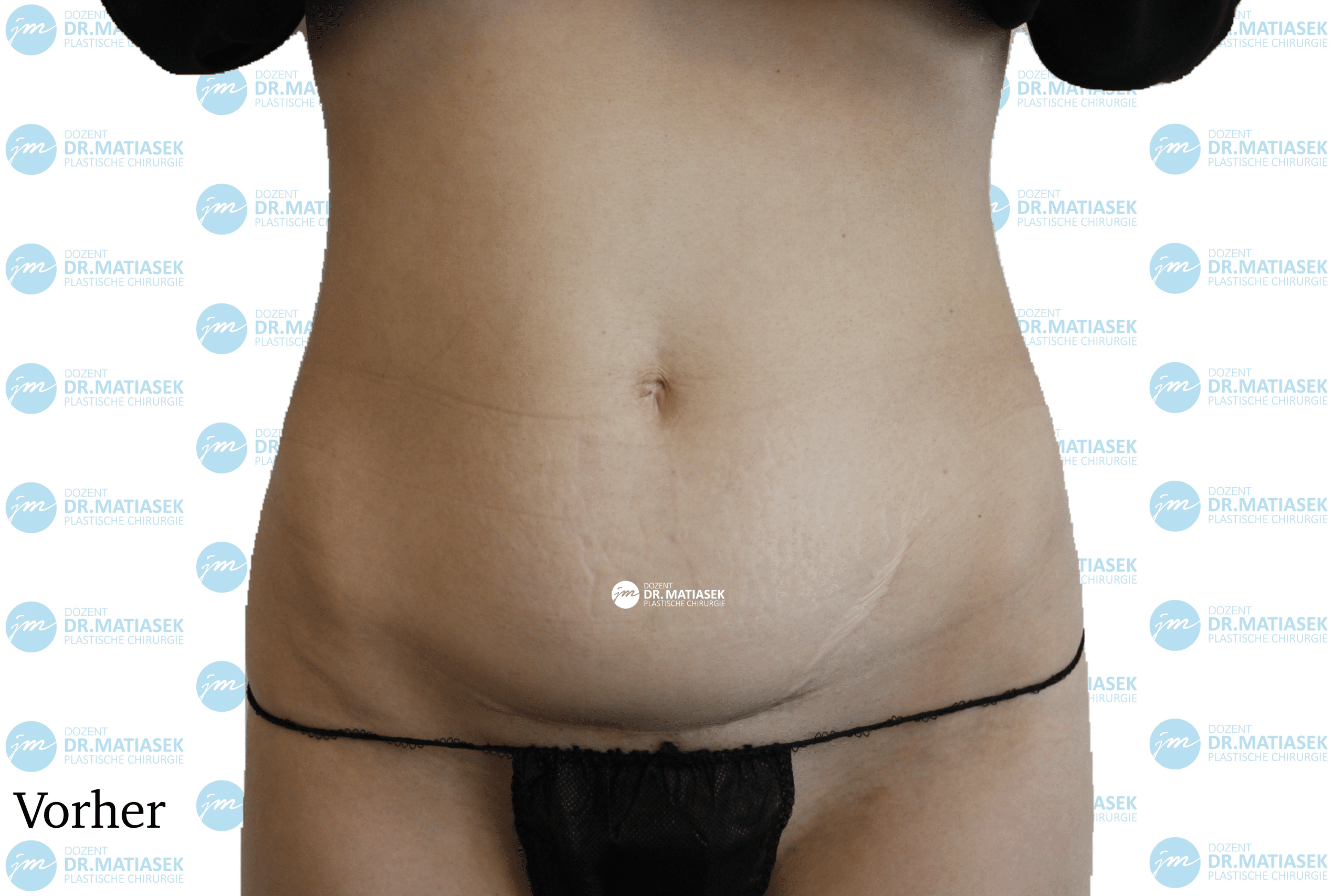
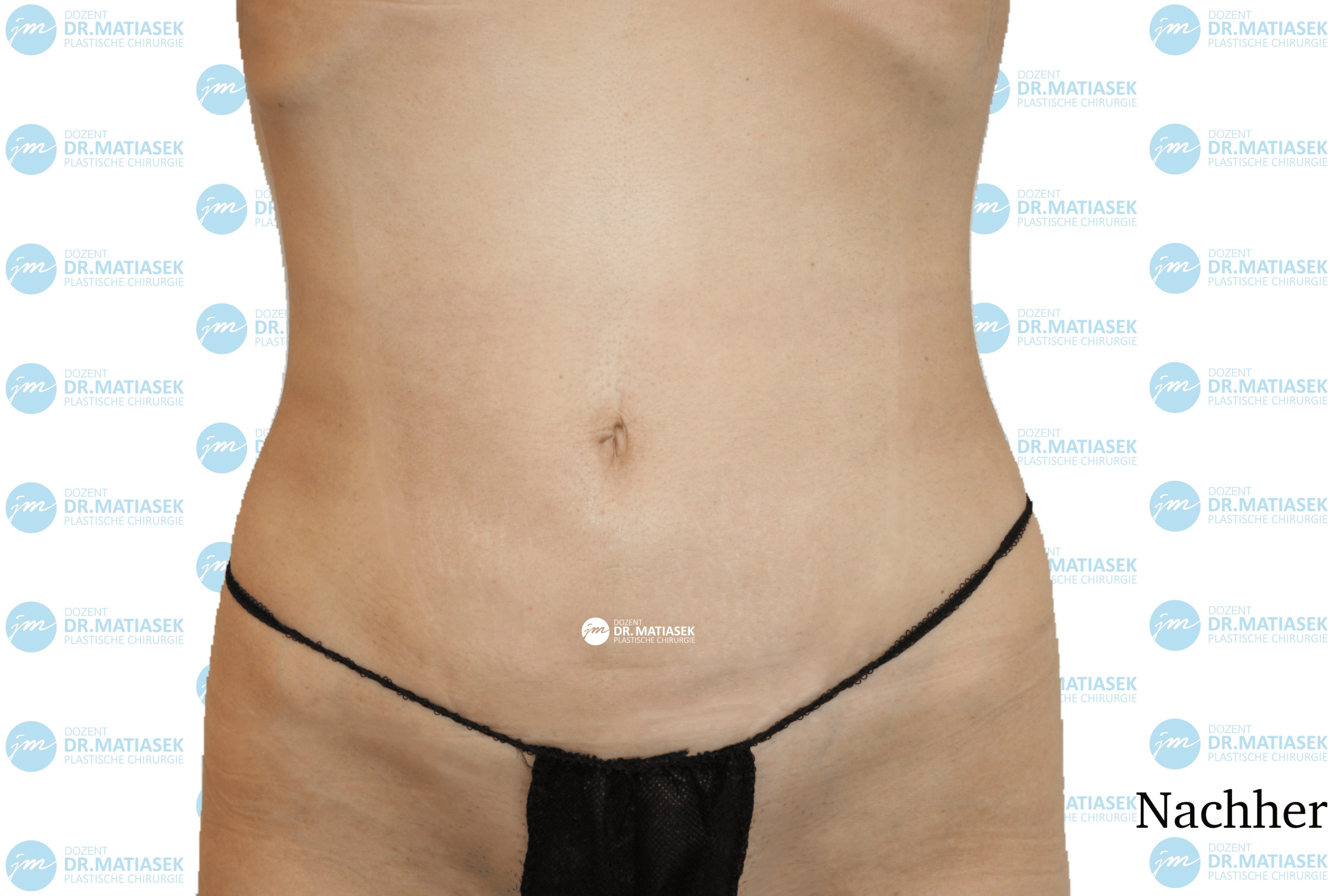
The first results are visible after about six weeks; the new contour is clearly recognisable after three months. The final result is usually visible after 6-12 months, when swelling has subsided and the skin has adapted.
When is the right time for liposuction?
When stubborn fat deposits persist despite diet and exercise and impair aesthetics and self-esteem. Prerequisites are being of legal age and being in good general health.
What are the advantages of liposuction?
It is one of the most common cosmetic operations and is low-risk when performed by a qualified specialist. Excess fat cells can be gently removed; with a healthy lifestyle, the results are long-lasting. Depending on the extent, recovery is often rapid.
Can the body's own fatty tissue be used in other areas?
Yes, e.g. for breast augmentation with autologous fat or buttock augmentation (BBL). Liposuction is used here as a preparatory step. The harvested fat is processed and injected elsewhere. Autologous fat treatments are considered popular in comparison to foreign materials such as Hyaluronic acid; However, the method consists of two procedures and requires a longer recovery period.
How long does liposuction last?
Liposuctioned fat cells do not grow back; the reduction in the treated area is permanent. A healthy lifestyle helps to maintain the result.
How many kilos do you lose with liposuction?
Liposuction is not a weight loss procedure. As a rule, up to around five litres of fat can be removed per procedure; beyond this, the risk increases. Several sessions may be necessary for lipoedema.
What are the risks associated with liposuction?
As with any operation, complications are possible: haematoma, swelling, bleeding, wound healing disorders, scars, infections, temporary numbness, thrombosis/embolism, seroma, skin irregularities. Careful hygiene and standardised procedures serve to minimise risk. Detailed information is provided during the consultation.
Which doctors can perform liposuction?
It is recommended that the procedure is carried out by a specialist in plastic, reconstructive and aesthetic surgery.
At what age is liposuction possible?
At least from the age of 18. The decisive factors are skin elasticity and general state of health - not the calendar age.
Is liposuction always possible?
A good state of health is a prerequisite. Certain pre-existing conditions (e.g. relevant cardiovascular diseases, coagulation disorders, severe liver/kidney diseases) or medication that affects coagulation can increase the risk. Smoking and regular alcohol consumption should be avoided before and after the procedure. Individual risk factors will be clarified during the consultation.
What are the alternatives to liposuction?
If you decide against a surgical procedure, there is the option of a Cryolipolysis. Fat cells are reduced by applying cold and then broken down via the lymphatic system. Also with Morpheus8 Treatments Unwelcome fat deposits on the face, neck and body can be treated.
How much does liposuction cost?
The costs are individual and vary depending on the type and scope. The price is staggered according to zones and starts at around 3900 euros. The costs are explained transparently during the consultation.
Do health insurance companies in Austria cover the costs of liposuction?
If medically necessary, e.g. in the case of lipoedema, subsidies or partial assumption of costs may be possible. Clarification in advance is recommended.